Heating oil costs 59% more than a year ago, but prices are easing from October's peak
Heating oil futures fell about 12% over the past month, while a record-early polar vortex disruption adds a cold-weather risk that prices do not yet show.
The short version
Written with AI, checked by an editor- US heating oil averaged about $5.91 a gallon on Nov. 9, up 59% from a year earlier; Maine's price was roughly 75% higher.
- War-related supply shocks, low inventories and limited refining drove the rise; Trading Economics links the pullback since October to hopes for Middle East diplomacy.
- A record-early polar vortex disruption raises the risk of cold snaps from Thanksgiving week, which would lift demand if it reaches the ground.
Heating bills are far higher, though prices have dipped
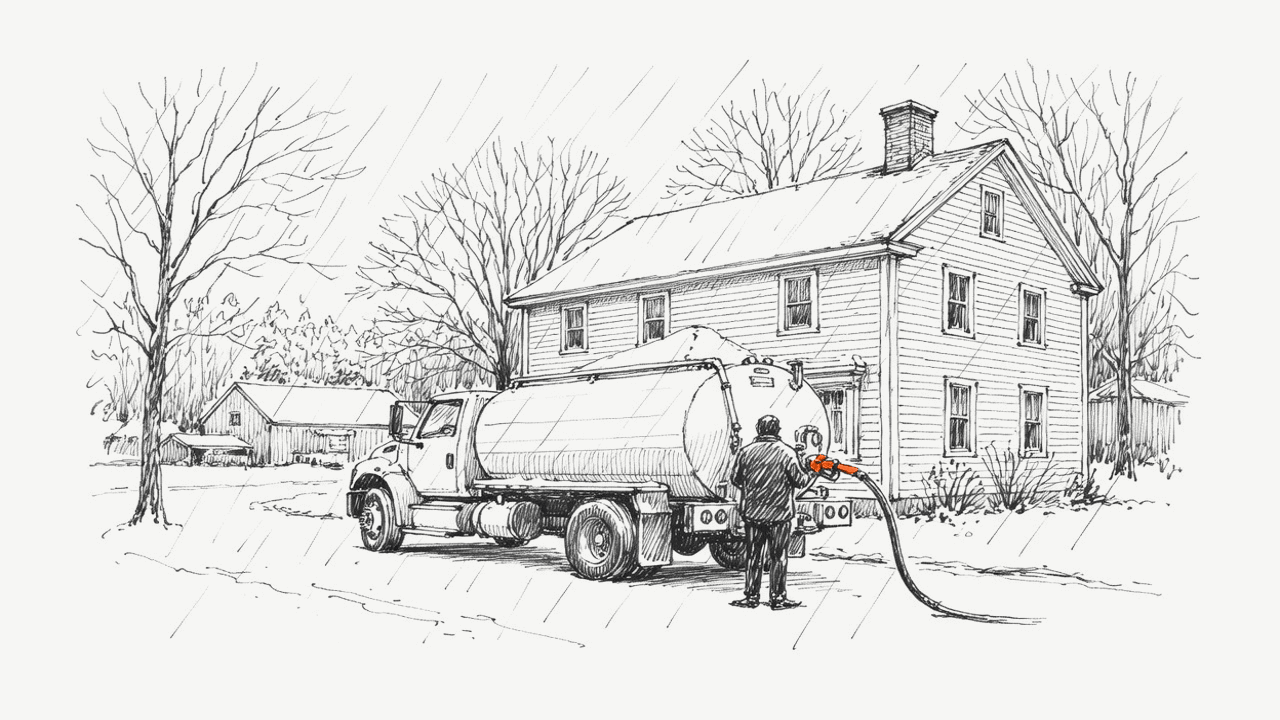
Households that heat with oil face a much costlier winter. The US average residential price was about $5.91 a gallon on Nov. 9, up $2.19, or 59%, from a year earlier. In Maine, where about half of homes rely mainly on heating oil, it was $5.83, roughly 75% higher.
This is not a fresh shock. Prices have climbed since the war with Iran began in late February, as supply disruptions from that conflict and the Russia-Ukraine war met low inventories and limited refining capacity. They peaked in October, at $6.19 nationally and a record $6.05 in Maine, and have eased since; Maine's price fell $0.151 in the latest week.
What is new is the weather. On Nov. 11 the winds of the polar vortex, the ring of cold air high above the Arctic, reversed direction, about two and a half weeks earlier than any such event since records began in 1958.
Why the cold risk has not shown up in prices
Cold weather raises demand for heating fuel, so a disrupted vortex is a real risk for bills. So far, though, prices are falling. Front-month heating oil futures settled at $4.259 a gallon on Nov. 13, down 12.1% over a month, which, if it lasts, should feed through to cheaper refills at the pump and the delivery truck. Trading Economics attributed the weakness to expectations of Middle East diplomacy after President Trump said extensive strikes on Iran were 'highly unlikely'. WTI crude and Brent crude each fell about 9.5% over the same month.
The cold may also be milder than feared. Surface effects usually arrive weeks later, the reversal looks brief, and forecasters say a strong El Niño could offset some cooling. The US Energy Information Administration already expects household heating oil spending to rise 21% this winter, assuming a milder Northeast; a colder one would push bills higher still.
Some relief is arriving. The Energy Department awarded contracts to exchange 300,000 barrels from its Northeast reserve, the first release aimed at lowering prices. Aid is stretched: Maine's average heating assistance rose to about $750 from $550 but buys fewer gallons.
The dates that could change the picture
European weather models show a full vortex breakdown around Nov. 20, and a colder US pattern could start in Thanksgiving week. The December heating oil futures contract expires on Nov. 30, and the Energy Information Administration updates its outlook on Dec. 8. Weekly price surveys will show whether prices keep easing.
- 2026-11-20Full polar vortex breakdown shown in ECMWF modelling: Confirms whether the disruption deepens, raising the chance of cold reaching the surface.
- 2026-11-23Possible onset of colder US weather: Cold in the Northeast would lift heating demand above EIA's mild-winter base case.
- 2026-11-30December NYMEX heating oil futures expiry: Shows where traders price winter supply as the contract settles.
- 2026-12-08EIA Short-Term Energy Outlook: May revise the 21% heating oil spending forecast and its milder Northeast assumption.
What it means for markets
Futures have fallen 12.1% in a month, but a colder pattern from Thanksgiving week could lift Northeast heating demand, though El Niño may blunt it; confidence is low.
Wrong ifA quick vortex recovery and mild US weather into December, with no change in Middle East tensions.
If expectations of Middle East diplomacy hold, crude could stay under pressure after its roughly 9.6% monthly fall; this is a low-confidence, conditional view.
Wrong ifRenewed strikes on Iran or fresh supply disruptions.
Brent fell about 9.5% over a month; if Middle East tensions stay calm, that pressure could persist, but the link is uncertain.
Wrong ifA cold Northern Hemisphere winter tightening fuel stocks, or new attacks affecting supply.
Researched and drafted with AI assistance from the sources below, checked against our editorial standards, and reviewed by a named editor. How we use AI → Found an error? Report it.
MacroInsight provides market commentary for information only. It is not investment advice or a recommendation to buy or sell any security.